Healthcare professionals operate in environments defined by urgency, responsibility, and emotional intensity. Long shifts, unpredictable schedules, and constant exposure to high-stakes situations place sustained pressure on the people responsible for patient care. While clinical demands are well understood, the financial strain many healthcare workers carry is often less visible.
Let’s explore how a healthcare payment platform that provides on-demand pay can reduce financial strain, support well-being, and help prevent burnout across the healthcare workforce.
Healthcare workers often carry significant student loan debt while navigating a steadily rising cost of living. For many, this creates a persistent but often unspoken source of stress that exists alongside the demands of clinical work. Even when compensation is competitive, the timing of expenses versus income can leave little room for error, particularly for those balancing housing costs, childcare, transportation, and loan repayments.
These pressures are amplified when staff face personal financial emergencies while working physically and emotionally demanding shifts. Traditional biweekly pay cycles can create a liquidity gap for employees working irregular overtime or per-diem schedules, even when they have already earned the wages they need. When financial concerns follow employees into the workplace, focus and energy are divided, increasing fatigue and contributing to burnout over time.
Without access to earned wages when they are needed, many caregivers turn to high-interest credit cards or payday loans to cover short-term expenses. These options can trap workers in cycles of debt that intensify stress and undermine long-term financial stability.
On-demand pay changes this dynamic by allowing employees to access a portion of their already earned income before payday. This safety net reduces reliance on predatory lending and helps staff manage real-life expenses without compounding financial pressure. When workers feel supported, mental fatigue decreases and resilience improves, which has a direct impact on the quality of care delivered.
Financial stability supports better outcomes for staff and patients. When healthcare professionals are less worried about money, they tend to be more present, engaged, and dependable. Organizations that address financial stress often see improvements across several areas:
Healthcare payment platforms that provide on-demand pay help create this environment where care flows naturally from employer to employee to patient bedside.
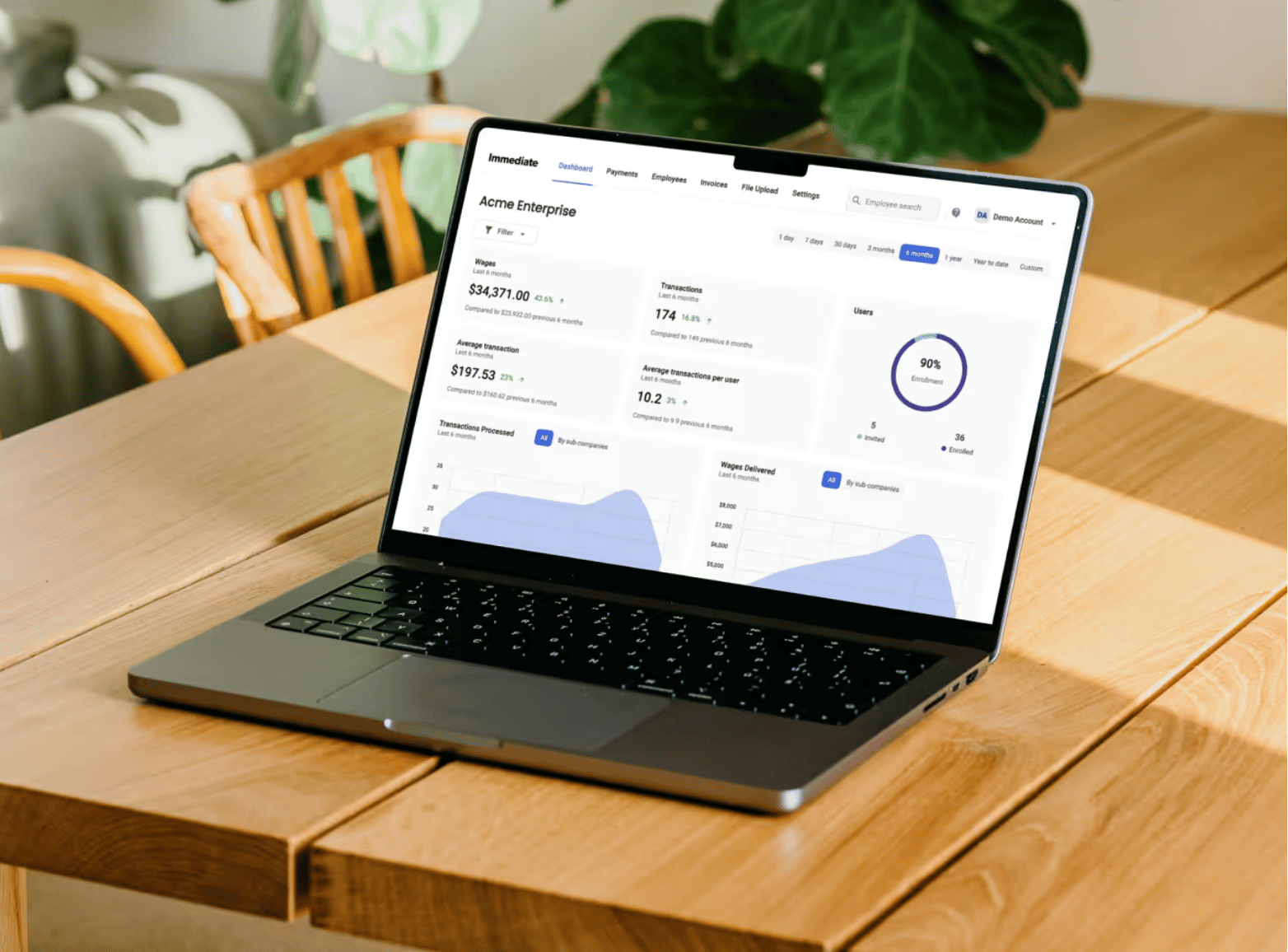
As an on-demand payment provider for healthcare, Immediate supports organizations with a dedicated platform designed for the realities of clinical work. By enabling employees to access earned wages between pay cycles, we help reduce financial stress, strengthen staff retention, and support workforce stability without adding complexity or disruption to existing payroll processes.
Contact our team at Immediate to learn more or schedule a demo to see how our solutions can strengthen your existing benefits approach.
Learn about useful tips and our latest news